A plain-English guide to taking online payments across borders, what each method costs, where it works, and which to switch on for your market.
Getting paid is the part of e-commerce you can't afford to get wrong. The right mix of payment methods depends entirely on where your customers are. Here's how the main options compare and how to choose.
Cards via Stripe, your global default
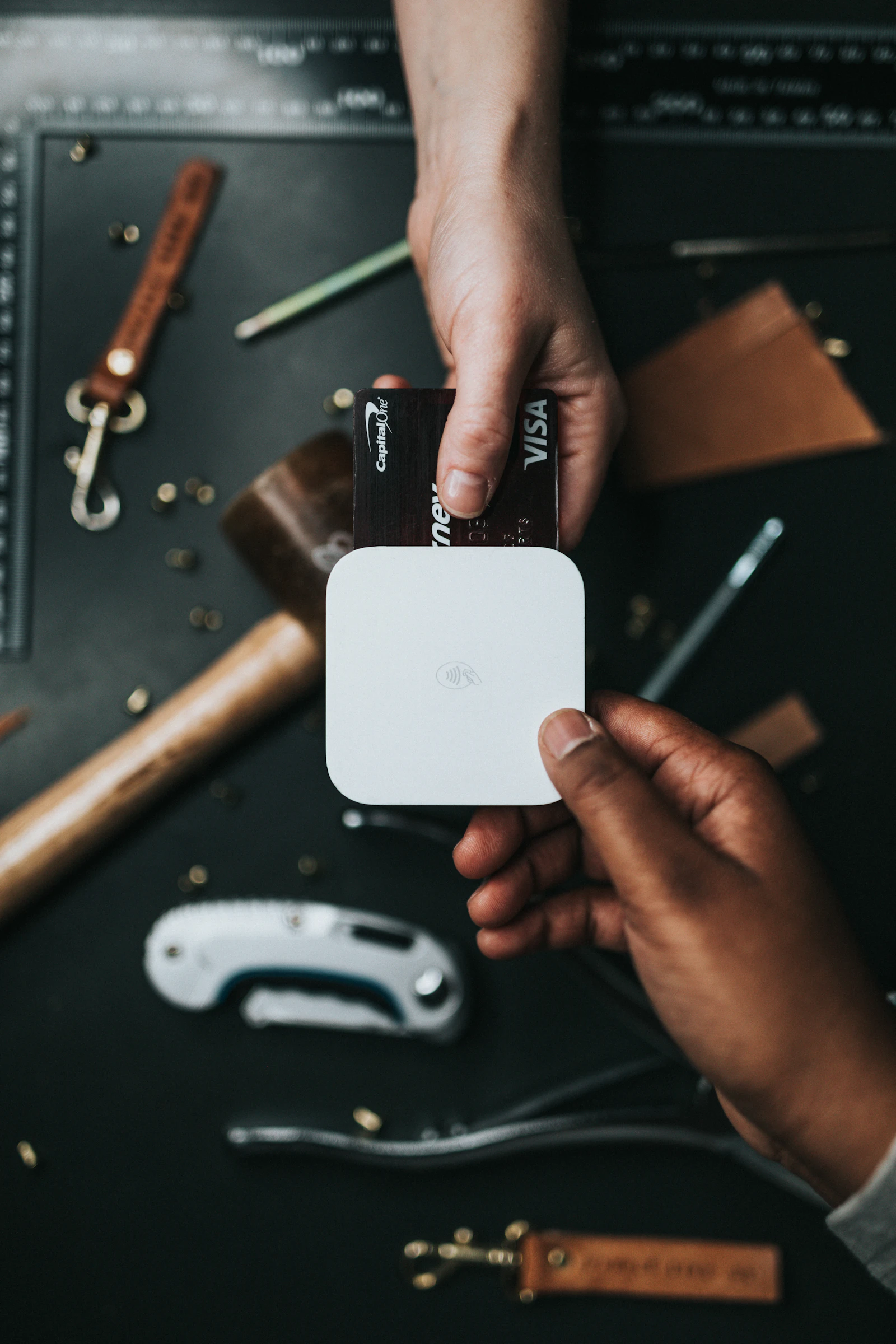
Stripe processes credit and debit cards in most countries and automatically supports Apple Pay and Google Pay, which together convert better than a plain card form. For the vast majority of international stores, Stripe is the foundation you build on.
PayPal, trust for buyers who want it
Many shoppers, especially in the US, UK, and Europe, prefer to check out with PayPal because it keeps their card details off your site. Offering it alongside cards captures buyers who would otherwise abandon.
Bank transfer, low fees, manual confirmation
Direct bank transfer carries minimal fees and suits higher-value orders, but it's manual: the customer pays, uploads proof, and you confirm. Great as an option, rarely your only one.
Cash on delivery, essential in some markets
In several markets, cash on delivery is still the majority of orders for new brands because trust takes time to build. Where it's common, skipping it can halve your conversion.
Regional wallets
Local wallets dominate specific markets, JazzCash and EasyPaisa in Pakistan, for example. Enable the wallets your region expects; they're often cheaper and faster than cards locally.
On Stores Lift you choose which methods to switch on from your admin panel, and the checkout shows only the ones that make sense for your store's country.